Sunday, October 28, 2018

Growing Your Social Capital


1)              Tony (Market Expert) Roy is a sales representative at a Harley Davidson dealership in Tampa, FL. This dealership also sells a variety of motorcycle-related retail items and equipment in which my product could be included. I established social capital with Tony by visiting this dealership and asking to briefly interview him for this class. This interview included questions about which products sell well, which products sell poorly, and the factors that determine whether a product will sell well or poorly in the store. His feedback provided very valuable insight into the point-of-sale interactions that take place in this market. This interview took place on 10/17/18.

2)              Marcus (Domain Expert) – Marcus is a customer service representative at a Best Buy in Tampa, FL. This retail store sells consumer electronics, which include several different types of traditional and Bluetooth headphones. Like the previous interview, I established social capital with Marcus by traveling to the store and asking to briefly interview one of their employees. This feedback provided insight into the factors that influence electronics purchases at the point-of-sale. I also asked Marcus if electronics that target a niche market tend to sell well, which he affirmed, citing fitness-centric electronic devices (e.g. Fitbit) as an example. This interview took place on 10/18/18.

3)              Ron (Supplier) – Ron is an employee at Direct Components, Inc. in Tampa, FL. This company is a company that supports the supply chains of many electronics manufacturers. I established social capital with Ron by calling the business and requesting to briefly interview one of their employees. Although the interview was brief, Ron was able to give me some information on the steps involved in the supply chain of products similar to my own. This interview took place on 10/26/18.
Reflection: This experience was very different from my previous networking experiences. The primary difference is that this targeted networking involved initiating contact “from zero,” which I found similar to cold calling in sales. One of these interviews took multiple attempts to find someone willing to establish social capital with me, but once it was established, the experience was very rewarding. This approach also provided me with more meaningful connections than traditional networking, as these individuals took notice of my proactive interest in what they had to offer.

Idea Napkin No. 2


Idea Napkin No. 2
1) You. I am a 22-year-old student at the University of Florida. As a young person with no children or people who depend on me, I have the advantages of being able to take financial risks and to dedicate extensive time and resources to this business.
2) What are you offering to customers? This product is a Bluetooth headset designed to fit underneath a motorcycle helmet and relay navigational directions, communications, and music to motorcycle riders.
3) Who are you offering it to? Our customers will be individuals who ride motorcycles regularly. These individuals are likely to be young and use the motorcycle for everyday/commuting purposes. Although the motorcycle may not necessarily be their primary or only vehicle, it is ridden often enough to justify an investment in the motorcyclist’s safety and enjoyment.
4) Why do they care? This product brings the conveniences of regular vehicles to motorcycle riders, thereby optimizing safety and enjoyment while reducing the limitations naturally present when riding a motorcycle.
5) What are your core competencies? One of my strongest core competencies is my adaptability. I am very responsive to feedback and able to see opportunities in feedback without reacting emotionally to criticism. As I’ve found during this assignment, this competency allows me to capitalize on opportunities to better address the unmet needs around which my product is designed.
Evaluation: I believe these elements fit together cohesively and work together well with one another. However, if this is not accurate I would appreciate feedback in peer reviews that describes whether or not some of these aspects are weaker than and/or out-of-joint with the others.
Feedback Memo: The two main points I have received from feedback thus far are: 1) create a product of high enough quality and comfort to elicit buyer loyalty and repeat purchases, and 2) prioritize safety to ensure that the product does not interfere with situations that require uninterrupted focus.

Wednesday, October 24, 2018

Elevator Pitch No. 2


1)     Pitch: Click Here for Video

2)     Feedback: All of the feedback so far has been extraordinarily helpful. The concerns about safety had a particularly strong influence on my approach to this assignment. Within the feedback I received, this appeared to be the concern that most evidently warranted a revision to the product’s design. I used Elevator Pitch No. 2 as a platform to present this revision and elicit additional feedback.

3)     Changes: I’ve included a small companion device that mounts securely to the handlebar of a motorcycle. This device is equipped with a button that will mute/unmute the headphones, allowing the rider to focus on road conditions and situational awareness when necessary.

Saturday, October 20, 2018

Creating a Customer Avatar


Above: Avatar images, generated from the link in our assignment description.

My Customer Avatar is a millennial in his/her early 20’s. This person works full-time and has no children. This person is more likely to be male than female. This person is very sociable and enjoys being around people. This person goes out to clubs/bars with friends on weekends. This person likes Game of Thrones and superhero movies. This person is a risk-taker. This person enjoys dangerous activities like rock climbing or skydiving. This person is skilled with technology. This person shops online. This person dislikes repetitive or non-challenging tasks in the workplace. This person likes to travel.

Saturday, October 13, 2018

What's Your Secret Sauce?


My Human Capital:
1)     Obsessive work ethic
2)     Interpersonal skills
3)     Self-confidence 
4)     Adaptability
5)     Communication skills

Interviews: Each participant was asked to describe the “knowledge, skills, abilities and emotions that set me apart from others.” The participants were instructed to touch on each subject at least once but given the freedom to expand on each subject as they saw fit. These interviews are produced and summarized below.
This interview was conducted on 10/11/18. The key characteristics she identified were: General knowledge, ability to put concepts into practice, interpersonal skills, and communication.
This interview was conducted on 10/11/18. The key characteristics he identified were: Work ethic, drive to succeed, and emotional stability.
This interview was conducted on 10/11/18. The key characteristics she identified were: Communication skills, work ethic, empathy, ethical integrity.
This interview was conducted on 10/11/18. The key characteristics he identified were: Academic ability, work ethic, communication, and sincerity.
This interview was conducted on 10/13/18. The key characteristics he identified were: Communication, ability to learn new skills quickly, adaptability, interpersonal skills.

Reflection: These interviews have been very meaningful. Hearing this kind of feedback from those who know me the most has allowed me to reflect on my human capital and evaluate the extent to which these characteristics will set me apart from competitors in entrepreneurial ventures. It’s interesting to note how closely their assessments of my human capital match up with my own. This indicates a high degree of self-awareness that will allow me to accurately capitalize on growth in my human capital moving forward. Additionally, although I would not normally describe myself as a particularly empathetic person, I would certainly be likely to add this to my list in part one upon revisit.

Monday, October 8, 2018

Figuring Out Buyer Behavior, Part 2

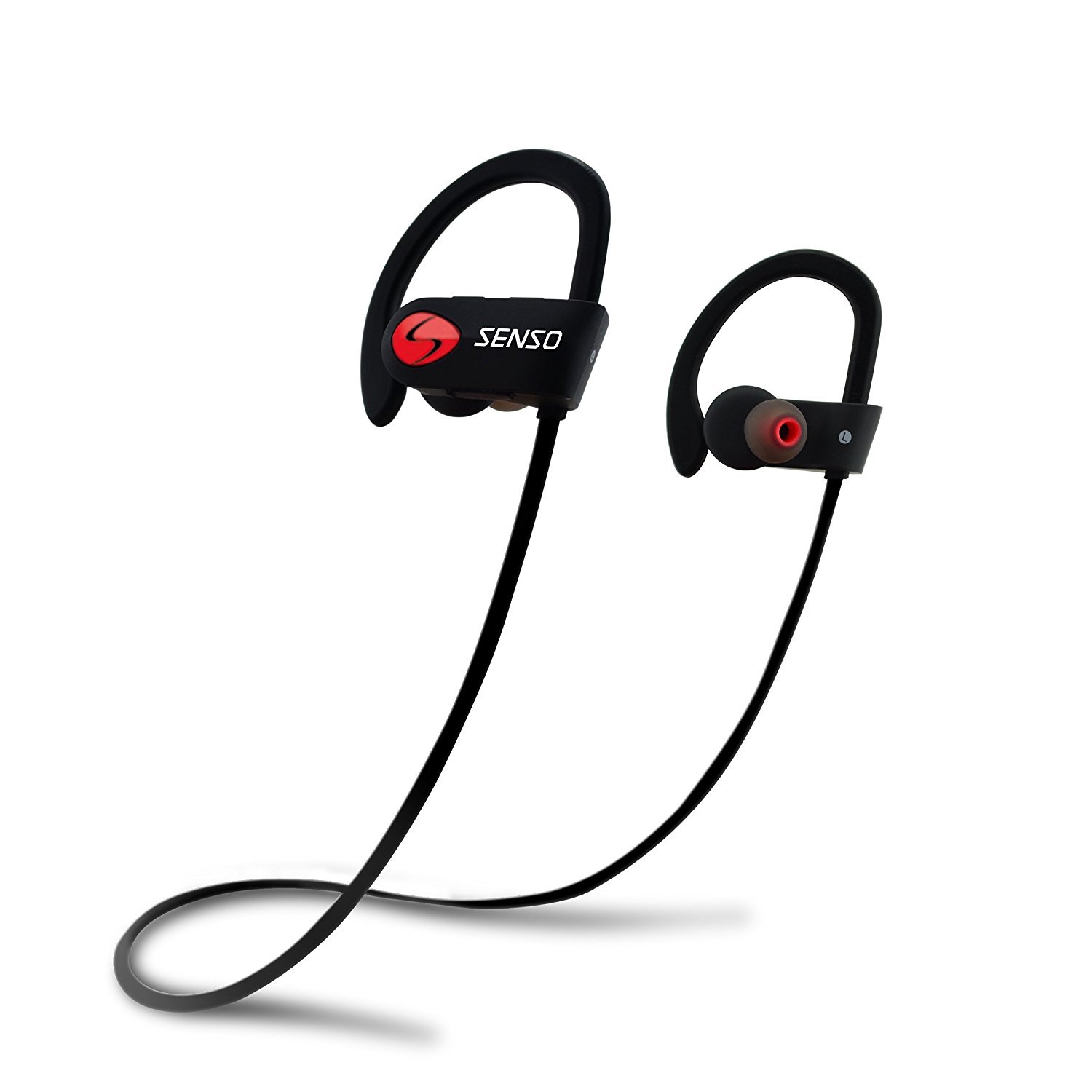
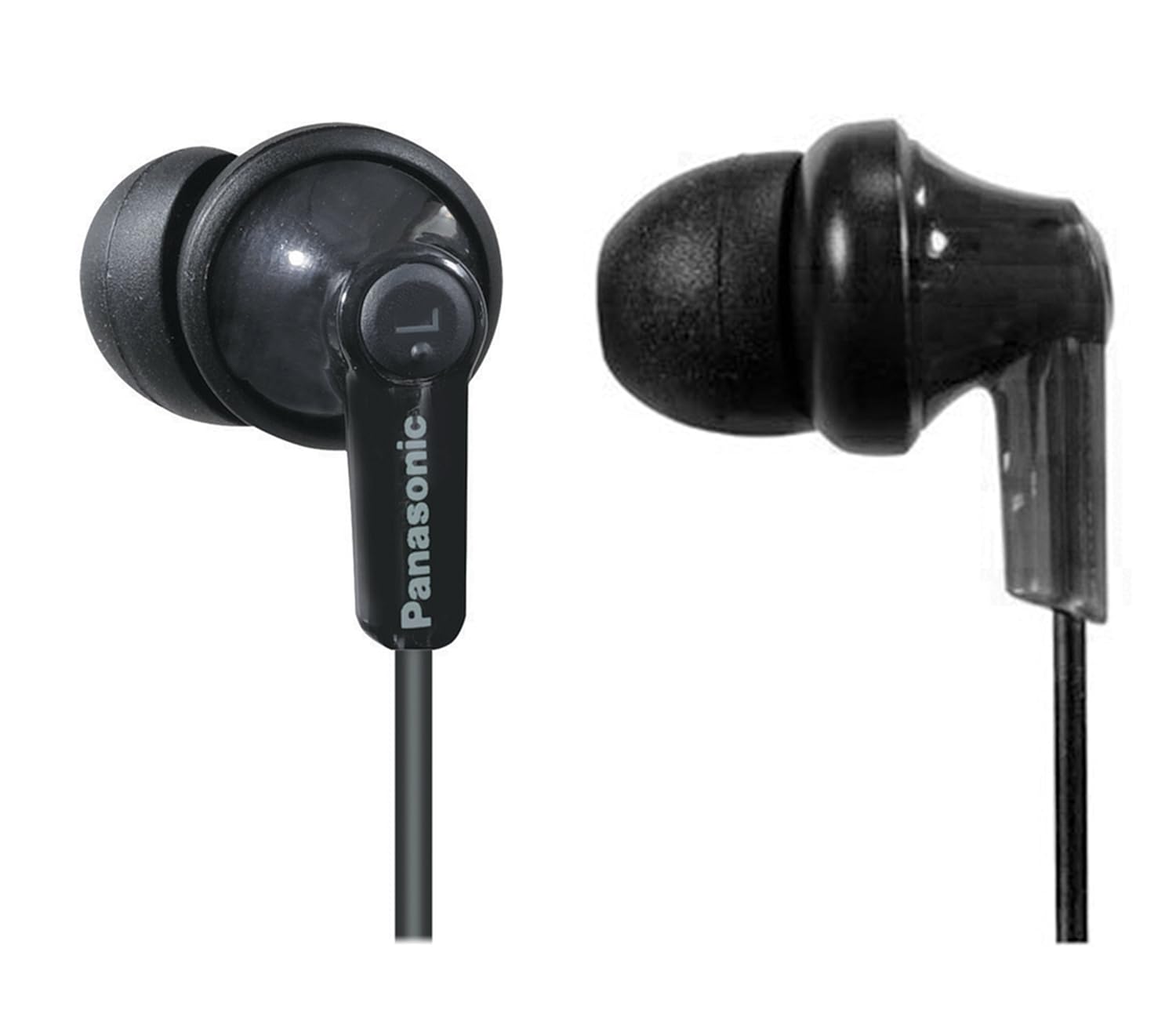
For these interviews, I found three people who fit the previously identified segment – young adults (ages 18-30) who ride motorcycles regularly. I presented them with three products that currently exist as alternatives to my product: Wireless (Bluetooth) running/gym headphones, a Bluetooth earpiece, and ordinary headphones. I showed the interviewees photos of each product (reproduced below) and the prices of those products (sourced from Amazon.com). The interviewees were asked to pick the products most and least suitable for use while riding a motorcycle, then describe the primary considerations of their decision. After answering the initial questions, the interviewees were asked open-ended questions about their buying behavior, such as their likelihood to buy online versus in-store, and the degree of “rightness” they would expect to feel after the purchase.
Wireless Headphones, $29.99

Earpiece, $15.99
Ordinary Headphones, $8.79


The findings of these interviews are as follows:
            Interview #1, Thomas:
                        Most suitable: Wireless headphones
                        Least suitable: Ordinary headphones
            Primary considerations: Functionality. Thomas felt that the ordinary headphone cords would be restrictive, and that the earpiece could fall out while riding. He noted that these considerations were strong enough to offset the higher price of the wireless headphones. Thomas also noted that he would almost exclusively buy products like this one on Amazon due to the perceived higher price and inconvenience of buying in-store. However, he mentioned that that these wireless headphones would not feel as “right” as a typical purchase due to its insufficiency for riding a motorcycle.

            Interview #2, Hailey:
                        Most suitable: Earpiece
                        Least suitable: Ordinary headphones
            Primary considerations: Functionality and price. She believed that the ordinary headphone’s cords would be restrictive, but also that the wireless headphones were too expensive. As such, she selected the earpiece, which she called the “middle-of-the-road” option. When asked whether she is more likely to purchase this type of product in-store or online, she strongly indicated a preference for shopping online. She also added that, based on the picture and price, she sees no reason why this product would not be suitable for use while riding a motorcycle.

            Interview #3, Logan:
                        Most suitable: Wireless headphones
                        Least suitable: Ordinary headphones
            Primary considerations: Functionality and quality. Like the other two interviewees, functionality was Logan’s primary consideration. The ordinary headphones were deemed too restrictive, while the wireless headphones were selected as the best option of the three. Interestingly, Logan also indicated that the quality of the wireless headphones was perceived to be higher than that of the earpiece. When asked if price was a consideration, he indicated that it was not; in his words, “I don’t care about price when it comes to something I use on my bike. I just care that it works and is safe.” He also indicated that he would be much more likely to purchase the product online.

Conclusions: This segment seems much more likely to consider functionality and quality over price when making a purchase. Additionally, this segment shows a strong preference for online shopping rather than traditional, in-store purchases. They also appear less likely to indicate a favorable post-purchase evaluation if the product does not entirely meet their needs, indicating a high degree of selectivity when making a purchasing decision.


Halfway Reflection


1)      Competency – As any student taking this course seriously will discover, there are several key behaviors that are necessary to keep up with the requirements of this course and to excel in each assignment. The most important behavior I’ve adopted is to set aside a specific block of time (usually at least 3 hours) to complete the week’s assignments. Doing so allows me to tenaciously tackle the assignments with precise focus, thereby producing quality submissions. Additionally, self-discipline is critical for this class. It would be easy to skip assignments and plan to “make it up later,” but this is a trap that successful students must not fall into.

    2)      Attitude – During one week, I had three exams within a few days of each other, plus my assignments due for this class. I was certainly tempted to disregard this class’s assignments given the importance of those exams and overwhelming workload, but the tenacity I’ve gained over the past two months enabled me to complete the assignments and study well enough to get A’s on all three exams. You’d be surprised how far your limits can be pushed when you’ve developed a tenacious mindset.

    3)      Three Tips – My three tips are as follows:
1.     Set aside a specific block of time to complete each week’s assignments. Allow yourself enough time to think deeply about the criteria of each assignment.
2.     Watch the lectures. Much of the course content is highly conceptual, and Dr. Pryor describes some very unique ways of thinking that you would never arrive at on your own.
3.     Don’t skip assignments, and don’t fall into the “I’ll make it up later” trap. Do all of them until you get to 94 points (assuming you want an A), and then you’re done.


Image result for sisyphus

Reading Reflection #1

For our first reading assignment, I selected Grinding it Out: The Making of McDonald’s by Ray Kroc.

1)            What surprised you the most?
I was very surprised by how often Kroc encountered failure in his early career. Although we all fail sometimes, failure seemed to haunt Kroc persistently throughout the first several years of his career. He details these failures extensively in the first few chapters, and he spends much of the rest of the book reflecting on how these failures prepared him for later success.

What about the entrepreneur did you most admire?
I most admire Ray Kroc’s grit and perseverance. Throughout the book, he describes experiences where many others may have chosen to give up, but he chose to pursue his goals relentlessly in spite of overwhelming difficulties.

What about the entrepreneur did you least admire?
By Chapter 11, Ray and Harry’s working relationship has deteriorated to the point that morale within the company became severely affected. Many employees even began referring to themselves as “Ray people” or “Harry people.” I did not admire the way Ray mishandled his conflicts with Harry and allowed those conflicts to create such a divisive climate within the company.

Did the entrepreneur encounter adversity and failure? If so, what did they do about it?
Absolutely, without question. Perseverance despite failure is a central theme of this book, and Kroc’s philosophy is centered around the idea of “grinding it out” in the face of adversity. In other words, when he encountered adversity and failure, he kept working relentlessly toward his goal until it was achieved. No other outcome was acceptable to him.


2) What competencies did you notice that the entrepreneur exhibited?
                Ray Kroc’s greatest competency throughout his career was his opportunism. He had an acute ability to identify unmet needs and create solutions that were superior to any alternatives. This competency allowed him to grow McDonald’s at a much faster rate than could be achieved by most entrepreneurs.

3) Identify at least one part of the reading that was confusing to you.
                I found it somewhat confusing that Kroc eventually allowed the paper cup company to retain 40% of his sales from the Multimixer. Although the specific terms of his contract are not particularly elaborated upon, it seemed uncharacteristic for him to concede such a large portion of his business.

4) If you were able to ask two questions to the entrepreneur, what would you ask? Why?
                Question 1: “If you could redo the decisions you made at McDonald’s, knowing the outcomes, what would you do differently?”
                Question 2: “Do you believe that any venture you undertook could have become as successful as McDonald’s, or was there something special about that venture that distinguished it from others?”

5) For fun: what do you think the entrepreneur's opinion was of hard work? Do you share that opinion?
                As the title of the book implies, hard work was a cornerstone of Ray Kroc’s philosophy, and his time-tested belief in the value of hard work is expanded upon extensively throughout the book. I absolutely share this opinion with him. Anything worthwhile can be achieved through hard work, and very few things can be achieved without it.


Source:
Kroc, Ray. “Grinding it Out: The Making of McDonald’s.” Chicago: H. Regnery, 1977. Accessed via Amazon Kindle.

Wednesday, October 3, 2018

Idea Napkin

1) You – My name is Zachary Hunt, and I am a junior studying business administration at the University of Florida. I have significant experience in both consumer and business-to-business sales, and I have been riding motorcycles since I was 14 years old. I am not only the entrepreneur of this venture; I am also its prototypical customer. As such, I have a deeply-grounded insight into the specific challenges cause this unmet need to exist.

2) “What are you offering?” – A Bluetooth-enabled wireless headset specifically designed to be worn within a motorcycle helmet.

3) “Who are you offering it to?” – Motorcycle riders and enthusiasts who seek to reduce the limitations of riding a motorcycle. When driving an ordinary car, a person is able to listen to music, communicate with others, and receive navigational assistance with minimal difficulty. This product brings these capabilities to motorcyclists.

4) “Why do they care?” – People who love motorcycles love motorcycles. These individuals feel a profound, intimate attachment with both their vehicles and the experience of the ride itself. As with any activity elicits such a strong emotional response, a product that can enhance these individuals’ experiences while riding motorcycles will be received with an equally powerful response.

5) “What are your core competencies?” – Although Bluetooth headphones already exist, these are almost universally unsuitable for use inside a motorcycle helmet. They are all either too large to fit underneath the helmet or too loose to withstand the physical forces of riding a motorcycle. My product distinguishes itself from the alternatives by being specifically tailored to the exact needs of motorcycle riders.

Tuesday, October 2, 2018

Figuring Out Buyer Behavior


The Segment – Young adults (ages 18-30) who ride motorcycles regularly.

The Interviews –
Interview #1: Ryan – After verifying that Tyler does, in fact, have this unmet need, we discussed at length the exact moments at which this need is most salient for him. He noted that this need is most prominent when he is on a lo ng, uninterrupted stretch of road. I also asked him to identify the times at which this need was least salient. He responded, “I suppose when I’m riding in heavy traffic and need to avoid distractions and focus on the road.”
Interview #2: Zach – Zach pointed out that, unlike the other two interview subjects, he rides in groups very frequently. As such, our discussion of his needs predominately centered around the walkie-talkie capabilities of the product. He reported that this need would be especially common when he needs to inform the group that she needs to stop (i.e. gas, restroom breaks) or when he notices potential hazards, such as debris in the road or police speed traps, and would want the ability to inform others in his group.
Interview #3: Kyle – Kyle echoed very similar experiences as Ryan. The two were interviewed simultaneously due to time and expediency limitations, and Kyle strongly agreed with the sentiments reported by Ryan (i.e. the need is most salient on long, uninterrupted rides and least salient in heavy traffic).

The Findings –
As I had found in previous exercises, this need exists most saliently during the long, uninterrupted rides described by the three interviewees here. However, while previous exercises had led me to believe that this need also exists in heavy traffic (for navigation functionality), my interviewees in this exercise felt that the product would simply be a distraction, indicating that the need may exist very weakly during these times.

The Conclusion –
The findings of this exercise were highly beneficial due to their differences from the findings of previous exercises. They indicate that my opportunity belief may need to be further refined, particularly with respect to navigation functionalities during periods of riding in heavy traffic.

Final Reflection

1)        One thing that stands out about my work in this course is the way my comfort with presenting new ideas to people grew each week....